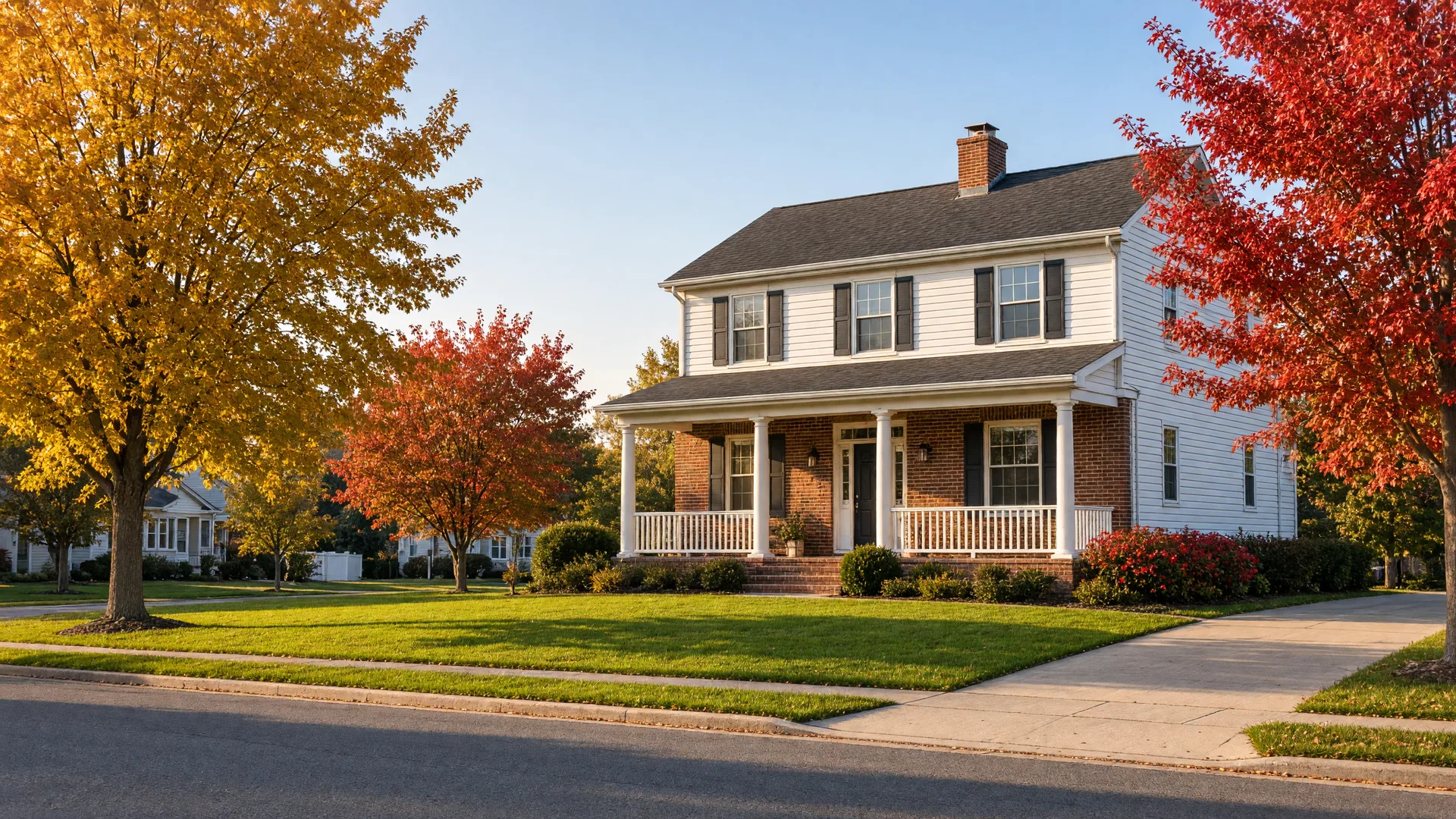
Buying a Home in the Lehigh Valley: A Complete Guide

Buying a home follows a clear sequence of steps, and knowing the order keeps the process from feeling overwhelming. I have guided thousands of Lehigh Valley buyers since 1990, and the purchasers who do best are always the ones who are prepared before they start looking.
Do I really need a pre-approval before I start touring?
Yes, for almost every buyer. A pre-approval is a lender's written commitment to lend you a specific amount, based on your income, credit, and debts. It gives you a realistic price range, and sellers in today's Lehigh Valley market routinely want to see a pre-approval before they consider an offer. It also lets you move quickly when the right home appears, and well-priced homes here do not wait long.
Ask your lender to show you the complete monthly payment at several price points, including property taxes and insurance, so the number you shop with is the number you can truly afford.
How much do I need for a down payment?
Qualified buyers in Pennsylvania can use conventional loans with as little as 3% down, FHA loans at 3.5%, and VA and USDA loans with no down payment for eligible buyers. The Pennsylvania Housing Finance Agency (PHFA) also offers low-down-payment loans and down payment assistance programs for first-time and qualifying buyers. The right program depends on your credit, income, and target price, so it pays to compare two or three scenarios side by side. My financing guide walks through how these programs work.
What happens after my offer is accepted?
Once your offer is accepted, the clock starts on the contingencies written into your agreement of sale. The home inspection is typically your first appointment, followed by your lender's appraisal, and then the final approval of your mortgage file. Your financing and inspection contingencies protect you if the home does not appraise for the price or if the inspector finds problems you are not willing to accept. Read every deadline in the agreement, because Pennsylvania contract timelines are firm once they are signed.
What does the Pennsylvania home inspection actually cover?
A standard inspection is a visual review of the major systems: roof, exterior, foundation and basement, heating and cooling, electrical, plumbing, insulation, and visible interior finishes. The inspector does not grade the home pass or fail; the report simply documents what they find so you can decide what to ask for before closing. Pennsylvania does not license home inspectors, so confirm yours follows the Standards of Practice of a national organization such as ASHI or InterNACHI, and attend the inspection yourself to ask questions in person.
What is the appraisal, and what happens at closing?
The appraisal is separate from the inspection. It is the lender's check that the home is worth the price, based on comparable recent sales. The inspection tells you about condition; the appraisal tells you about value. After that comes closing, where you sign the mortgage documents, the deed transfers to you, and settlement funds move through a title company or closing agent. Expect closing costs on top of your down payment, and ask your lender for a written estimate early so there are no surprises at the table.
Quick tips at a glance
| Step | One quick tip |
| Pre-approval | Get it before touring, and ask for full monthly payments at several price points. |
| Down payment | Compare conventional, FHA, VA, USDA, and PHFA scenarios with a local lender. |
| Inspection | Attend it yourself and confirm the inspector follows ASHI or InterNACHI standards. |
| Contingencies | Know every deadline in the agreement of sale, because they are firm. |
| Appraisal and closing | Get a written closing cost estimate early so settlement has no surprises. |
For the full detail on each of these steps, my Home Buyer Guide is the deepest version of this roadmap, and the moving to the Lehigh Valley guide covers the communities, school districts, and neighborhoods to consider along the way. Want the quick answers instead? Head back to the Ask Tim Tepes Tips & Tricks page, where the buying questions here each have a one-paragraph answer and a tip.
Ready to start the process?
I will help you through every step, from pre-approval to settlement. Start with a free home value report, call or text me directly, or book a consultation.

With more than 36 years of experience and over 2,000+ homes sold, Tim Tepes is a trusted expert in Lehigh Valley real estate. Call or text anytime.
Never Miss a Story
Add me as a Preferred Source on Google to see more of my content in AI Mode and AI Overviews.
Add me as a Preferred SourceLooking to Buy in the Lehigh Valley?
Tim Tepes has guided Lehigh Valley buyers for more than 36 years. Let him help you find the right home in the right community.